

Most bloggers and influencers don’t start out full time. They start on a lunch break, or late at night once the house is quiet, or on a Sunday afternoon with a phone propped up against a stack of books. If that’s where you are right now, you’re in good company, and honestly it isn’t a bad place to be.
Having a salary while you build something gives you room to experiment. You can turn down brand deals that don’t fit, try a new format without worrying about rent, and grow at a pace that suits you. The hard part is keeping it going without letting your job or your content slide. Here’s how to approach it.
Check your employment contract first
This is the boring bit, but it’s the one that catches people out. Before you take on any paid work, read your contract and staff handbook for anything about outside work, conflicts of interest or social media. Some employers are perfectly relaxed about it. Others want to be told, and a few rule out paid work in the same industry altogether.
Look out for intellectual property clauses too. Some contracts claim ownership of anything you create using company equipment or during working hours, so keep your laptop, phone and content time seperate from work. And if you post about your own industry, make sure you’re not sharing anything confidential.
If something’s unclear, ask. A quick, open conversation with your manager or HR now is far better than an awkward one later when somebody spots a sponsored post.
Be realistic about your time
A full-time job takes up around 40 hours a week before you add commuting, cooking, sleep and some kind of social life. Whatever’s left over is your creative time, and for most people it’s less than they think.
Rather than fitting content in “whenever”, block out specific slots and treat them like appointments. Two or three focused sessions a week will get you further than a scattered hour here and there.
- Batch your content. Shoot several videos or photograph a few looks in one go, then edit them through the week.
- Schedule posts ahead. Most platforms let you schedule, so your audience sees regular posts even during a busy week at work.
- Keep an ideas list. Ideas tend to turn up at inconvenient moments. Note them on your phone so each session starts with something to work on, not a blank page.
- Pick one or two platforms. Trying to be everywhere at once is the quickest route to burnout. Get good at one before you spread out.
Treat it like a business from day one
The moment money or free products start coming in, you’re effectively running a business, even if it doesn’t feel like one yet. Getting organised early saves a lot of stress later.
Open a separate bank account for your blog or channel, even if it’s just a second personal account. It makes it much easier to see what you’re actually earning, and what you’re spending on equipment, software and props. Keep your receipts and a simple spreadsheet of income and expenses. It doesn’t need to be fancy.
Tax rules differ from country to country, so look up what applies where you live. In the UK, for example, the government’s guide to working for yourself explains when you need to register as self-employed, while in the US the IRS has a tax centre for self-employed individuals. Most countries have something similar.
One thing that surprises a lot of new creators: in many places, products you recieve in return for content can count as income, not just cash payments. If a brand sends you an expensive gadget on the understanding that you’ll review it, check whether you need to declare it.
Get the brand deal basics right
When brands start getting in touch, it’s tempting to say yes to everything. This is where having a day job really helps. You don’t need the money, so you can be choosy and only work with brands your audience would genuinely care about.
Whatever you agree, get it in writing. Even a short email confirming the details is better than nothing. Make sure it covers:
- What you’re creating, how many posts, and on which platforms
- The fee, and when it’ll be paid (30 days from invoice is common, but agree it upfront)
- Usage rights, meaning whether the brand can reuse your content in its own ads, and for how long
- Any exclusivity, such as not working with competitors for a set period
Always label sponsored content clearly, too. Advertising regulators in most countries expect it, and the US Federal Trade Commission’s guide for social media influencers is a good plain-English overview of what proper disclosure looks like, wherever you’re based. Your audience will trust you more for it.
Protect your energy
Burnout is the the real risk when you’re effectively doing two jobs. It creeps up slowly. You skip one weekend off, then another, and suddenly the content you used to love feels like a chore.
Build rest into your schedule on purpose. Take proper breaks from posting and don’t feel guilty about it; your audience will still be there after a week off, and you’ll probably come back with better ideas. It also helps to set some boundaries around your phone. Replying to comments in meetings or editing on your commute might feel productive, but it blurs everything together. Decide when you’re “on” for your blog and when you’re not.
Knowing when to go full time
There’s no magic follower count that tells you it’s time to hand in your notice. What matters is whether your income is reliable. A few good months don’t mean much if they all came from one big campaign that might not come round again.
You might be ready if:
- Your creator income has been steady, or growing, for at least six months to a year
- It comes from several sources, such as brand work, affiliate links, ad revenue and digital products, rather than just one
- You’ve saved enough to cover several months of living costs if things go quiet
- You’re regularly turning down paid work because you simply don’t have the time
Some people find a middle ground first, like dropping to four days a week or going part time. If your employer is open to it, that’s definately a less scary way to test the water than quitting outright.
Start small and keep going
The creators who make it aren’t usually the ones with the most free time. They’re the ones who keep showing up, even when that’s only a couple of hours a week. Start with what you can realistically manage, set things up properly, and let it grow. Your day job isn’t holding you back. For now, it’s what’s paying for the camera.
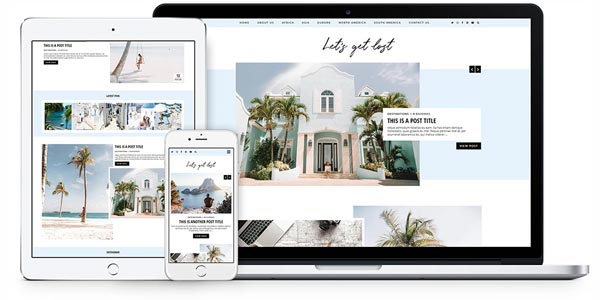
 WordPress Theme: Lavoie